Charlie Chaplin Was So Much More Than That Bowler Hat And Cane — Here's The Proof
Forget the mustache and the waddle for a second — the guy basically invented the one-man-film-studio, and Hollywood is still catching up.

Think you know movies?
Play today's Flickle.
The daily movie guessing game.
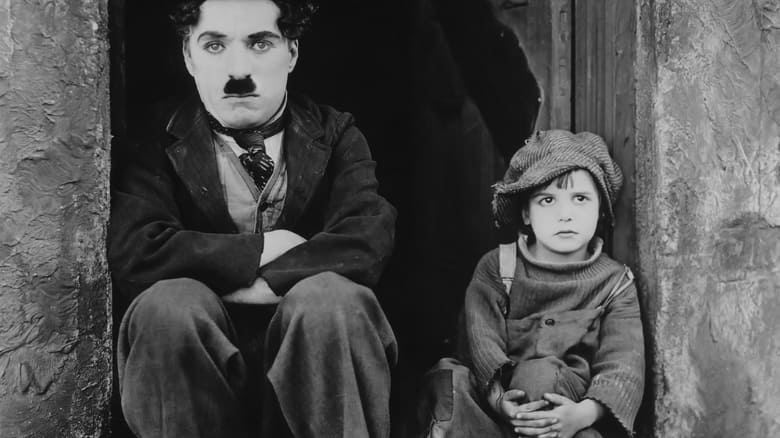
The Tramp Was A Costume. Chaplin Was Also The Entire Crew.
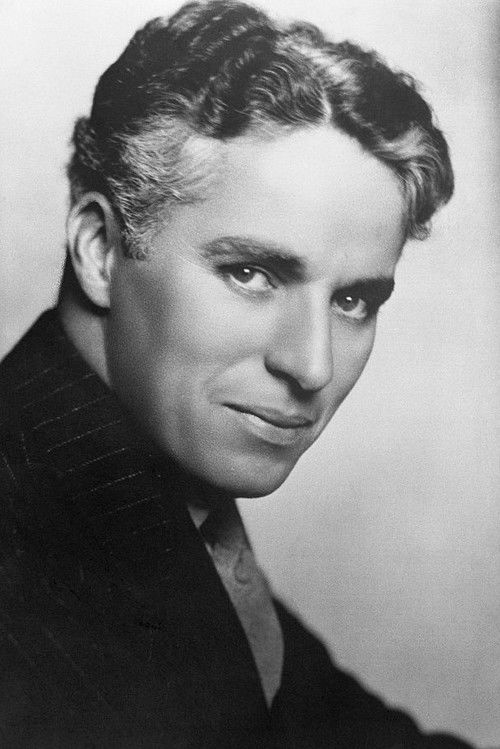
Long before 'hyphenate filmmaker' was a buzzword, Chaplin was writing, directing, producing, editing, and composing music for the vast majority of his own movies — sometimes all five jobs on the same film. Silent shorts like Sunnyside and Pay Day list him as writer, director, and editor in the same credits block, years before he even started scoring his own work.
He Got So Sick Of Studios Underpaying Him, He Just... Started His Own
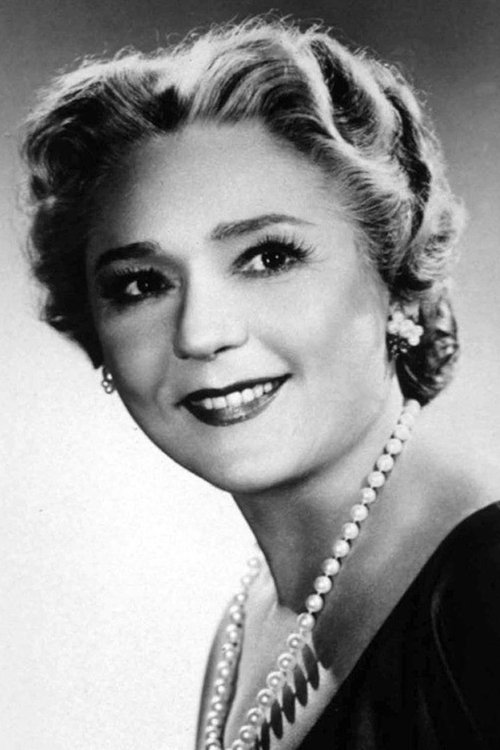
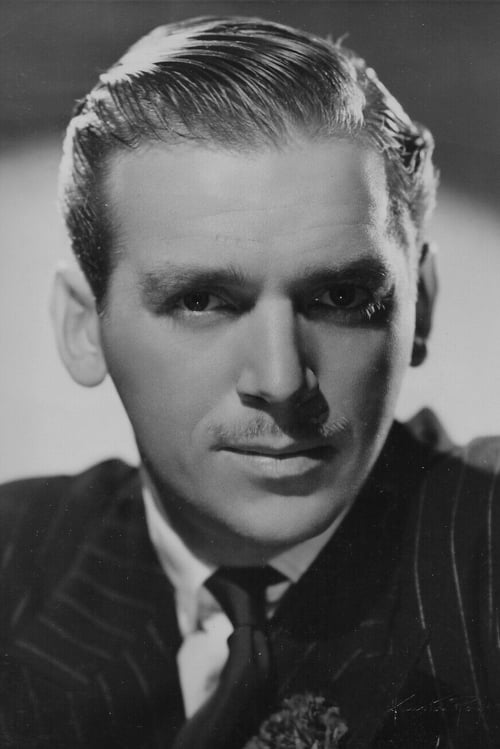
In 1919, frustrated that his own studio wouldn't raise his budget despite him being one of its biggest earners, Chaplin joined Mary Pickford, Douglas Fairbanks, and D.W. Griffith to incorporate United Artists — a company built specifically so actors and directors could control their own work instead of answering to studio bosses. It became the distributor behind classics like The Gold Rush.
The Academy Broke Its Own Rules Just To Give Him An Oscar
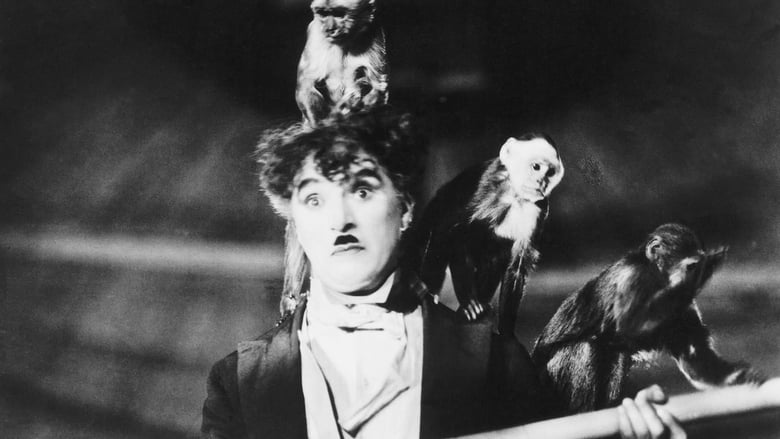
At the very first Academy Awards in 1929, The Circus had actually earned Chaplin three competitive nominations — Best Actor, Best Writer, and Best Comedy Director. Instead, the Academy pulled his name from those categories entirely and handed him a one-of-a-kind Special Award for versatility and genius in writing, acting, directing, and producing the film, essentially inventing a whole new prize because they didn't know what else to do with him.
He Also Wrote The Music. All Of It. By Ear.
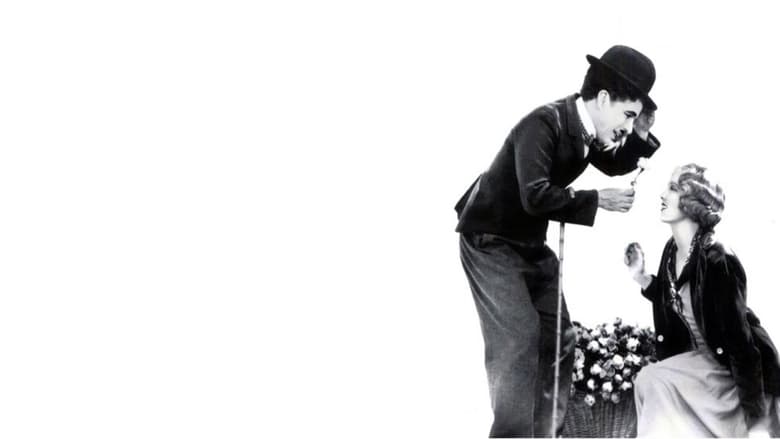
Chaplin couldn't read or write sheet music, so he'd hum or sing melodies to arrangers who transcribed them for him — and still ended up composing the scores for every one of his features starting with City Lights in 1931. That self-taught musicianship eventually paid off literally: he won his only competitive Oscar for the score of Limelight, decades after the film was made.
Hollywood Went Full Talkie. He Just... Didn't.
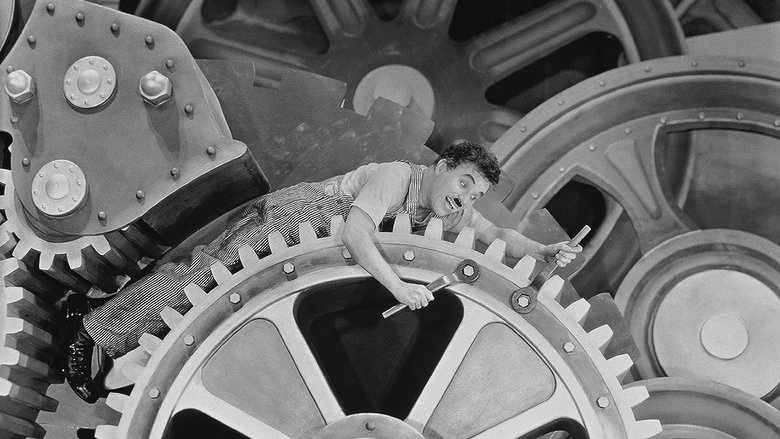
By the time City Lights came out in 1931, sound movies had already taken over theaters everywhere — Chaplin released it as a silent anyway, terrified that giving the Tramp a voice would kill the universal, wordless comedy that made him famous. He pulled the same move five years later with Modern Times, letting the world hear machinery and gibberish songs but keeping the Tramp himself essentially silent.
That Death-Defying Roller Skate Stunt? All Him, No Double.
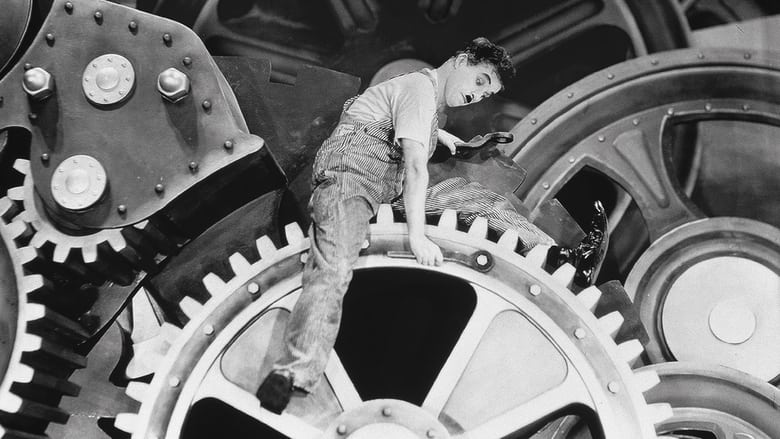
In Modern Times, Chaplin blindfolds himself and skates within inches of a fake ledge in a department store toy section — a scene that used a clever matte-painting trick to fake the danger, but the actual skating and choreography were all performed by Chaplin himself over eight days of shooting. He did the same for the film's infamous gears sequence, letting himself get physically hauled through the mechanical guts of a factory machine.
One Scene. 342 Takes. That's Not A Typo.
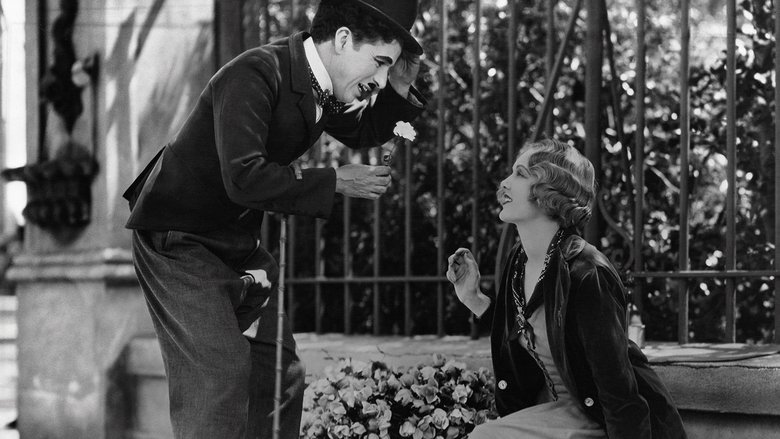
Chaplin was such a relentless perfectionist behind the camera that the flower girl meet-cute in City Lights reportedly took 342 takes to get right, and he personally sat at the editing table cutting his own footage on film after film. Filmmaker Jean-Marie Straub even called him the greatest editor in cinema history for knowing exactly when a gesture should begin and end.
12 Minutes Of Applause. Nobody's Ever Topped It.
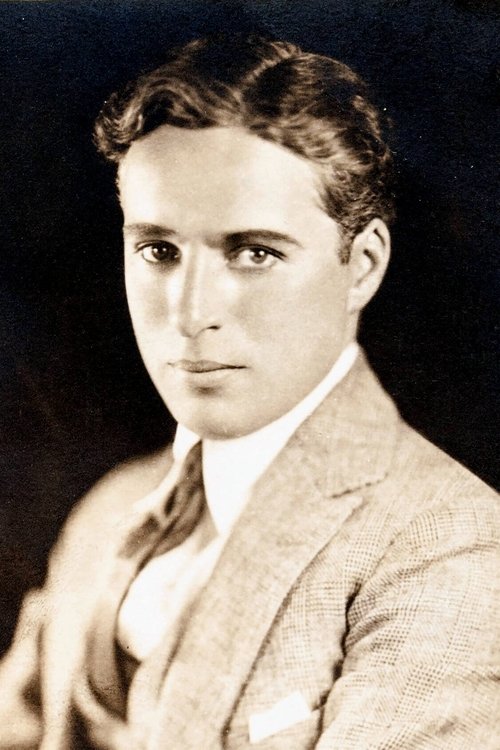
In 1972, Chaplin returned to the U.S. for the first time in two decades to accept an Honorary Oscar for his lifetime of work — and the crowd gave him a 12-minute standing ovation, still recognized as the longest in Academy Awards history. It capped off a career where the man behind the Tramp had already quietly built one of the most complete filmmaking résumés Hollywood has ever seen.
Think you know movies?
Now go prove it — play today's Flickle.
The daily movie guessing game.
React to this post
Keep Reading
Before He Was Deadpool, Ryan Reynolds Was A Cancelled Sitcom Guy With A Warehouse Job
Before He Was Frank-N-Furter, Pennywise, Or A Cartoon Villain — Tim Curry Lied His Way Onto A London Stage
Before He Was A Pirate, Johnny Depp Was Basically A Rock Star Who Kept Accidentally Becoming A Movie Star
Ke Huy Quan Spent 20 Years Behind The Camera Before Hollywood Remembered He Was A Star

Michelle Yeoh Didn't Just Break The Oscars — She Broke Bones, Barriers, And Bond Girl Stereotypes First
8 Wild Pedro Pascal Facts That Have Nothing To Do With Baby Yoda Or Fungus Zombies
Sources
- In February 1919, Charlie Chaplin, Mary Pickford, Douglas Fairbanks, and D.W. Griffith Formed United Artists
- United Artists created | February 5, 1919 | HISTORY
- This Was the First Honorary Oscar Winner - Collider
- 1st Academy Awards - Wikipedia
- Charlie Chaplin Won His Only Oscar 20 Years After the Film Was Released - Collider
- Charlie Chaplin: not just a movie legend. A fine composer, too - Classical Music
- Charlie Chaplin - Silent Film, Comedy, Actor | Britannica
- The story behind Charlie Chaplin's roller skating scene - Far Out Magazine
- Charlie Chaplin's Modern Times - Neatorama
- A Portrait of the Artist at Work: Unknown Chaplin - Establishing Shot
- Chaplin: The Ultimate Perfectionist - Bold, Brash & Brilliant
- Who had the longest standing ovation at the Oscars? - Far Out Magazine
- Charlie Chaplin - The Pickford House